Material handling is the backbone of industrial productivity, and among the many technologies supporting this function, roller conveyor systems hold a central position. These systems help industries move materials in a controlled, organized, and continuous manner across different stages of production, packaging, storage, and dispatch. From manufacturing plants and warehouses to distribution hubs, their role is essential in maintaining operational flow. Businesses today rely heavily on a reliable conveyor systems manufacturer to achieve accuracy, stability, and efficiency in internal logistics.
Understanding Roller Conveyor Systems in Modern Material Handling
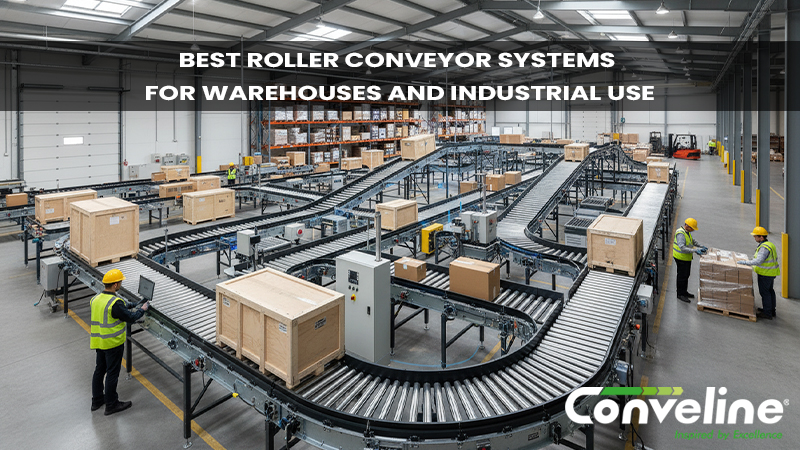
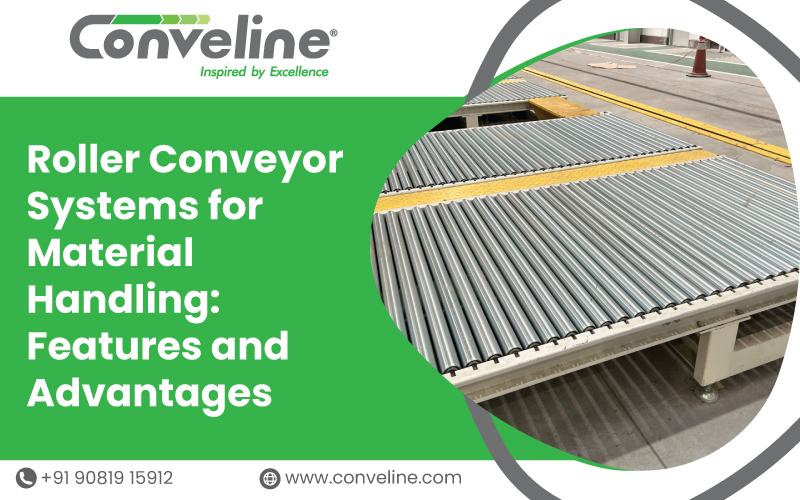
Roller conveyor systems are material transport mechanisms built with a series of rotating rollers mounted inside a structural frame. These rollers enable products, cartons, pallets, trays, or industrial components to move smoothly over short or long distances within a facility. Depending on the application, the system may operate through gravity or through powered motor-driven rollers. Industries select system configurations based on load type, floor layout, travel distance, speed requirement, and production volume.
A professional roller conveyor systems manufacturer evaluates these variables before recommending a suitable configuration. In the Indian market, roller conveyor systems manufacturers in India have developed strong capabilities in fabricating both light-duty and medium-duty conveyor systems aligned with domestic industrial conditions. Regional suppliers such as roller conveyor systems manufacturers in Ahmedabad add value by offering local project coordination and post-installation support.
A dependable conveyor systems manufacturer provides not only the mechanical structure but also layout integration that supports safe and steady material flow. Under the technical scope of conveline systems, such solutions are designed to match operational demands without unnecessary overengineering. These systems remain application-driven, focusing on real production needs rather than generic layouts.
Key Features, Benefits, and Industrial Importance
Core Mechanical Features
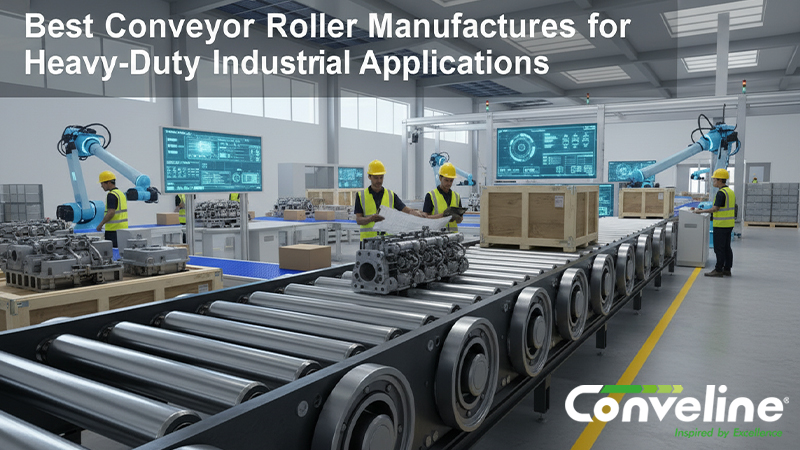
The operating structure of roller conveyor systems is defined by precision-aligned rollers, strong frames, and load-matched bearings. Roller diameter, spacing, and surface coating are selected based on the size and weight of products handled. Powered roller conveyors use motors and transmission components for consistent speed control. Gravity roller conveyors rely on inclination and load weight for movement.
A qualified roller conveyor systems manufacturer designs frames for vibration resistance and load stability. Indian fabrication practices followed by roller conveyor systems manufacturers in India emphasize durability and ease of maintenance under continuous working conditions.
Operational Benefits
From a productivity perspective, roller conveyor systems reduce manual handling and improve material flow consistency. These systems support:
- Faster movement of goods between workstations
- Reduced material damage caused by human handling
- Improved workplace safety
- Predictable workflow scheduling
When sourced from a reliable conveyor systems manufacturer, these advantages align with factory layout planning and production sequencing. Facilities that collaborate with conveyor systems manufacturers in India benefit from localized material availability and application understanding.
Complete Technical and Application Breakdown
Types of Roller Conveyor Systems
Roller conveyor systems are broadly classified into gravity roller conveyors and powered roller conveyors. Gravity conveyors suit areas where products can move using slope and self-weight. Powered roller conveyors apply controlled movement for heavier loads and longer transfer lines.
A specialized roller conveyor systems manufacturer selects these types based on production speed, load characteristics, and safety needs. Indian factories typically align with standards recommended by roller conveyor systems manufacturers in India for continuous-duty operations.
Working Principles and Best Operational Practices
How Roller Conveyor Systems Work: The basic working principle of roller conveyor systems depends on controlled rolling motion created by either gravity or mechanical drive. The rollers rotate on shafts supported by bearings. In powered conveyors, motors transfer motion using chains, belts, or gears. Material travels in a linear direction under regulated speed.
A skilled roller conveyor systems manufacturer studies load inertia, friction factors, and floor alignment before finalizing system geometry. Guidelines recommended by roller conveyor systems manufacturers in India also address safety compliance and maintenance accessibility.
Common Selection and Operational Mistakes to Avoid
One of the most common errors in adopting roller conveyor systems is ignoring load variability. Selecting undersized rollers leads to surface wear and bearing stress. Choosing a non-specialized roller conveyor systems manufacturer may result in mismatched design specifications.
Some facilities select suppliers based purely on cost without verifying capabilities of roller conveyor systems manufacturers in India, which often leads to compromised fabrication standards. In western India, bypassing experienced roller conveyor systems manufacturers in Ahmedabad may delay service response during technical issues.
Another operational concern involves poor layout planning. Without guidance from a professional conveyor systems manufacturer, systems may disrupt workflow instead of supporting it. Solutions executed under conveline systems avoid such constraints through pre-installation layout studies. Conveline Systems Pvt. Ltd. follows a process-oriented approach rather than a supply-only model.
Industry Relevance and Practical Use Case
A mid-scale manufacturing plant involved in insulation panel production required continuous material movement between cutting, bonding, curing, and dispatch zones. Manual handling created bottlenecks and surface damage. By integrating roller conveyor systems with powered drive across critical routes, the plant improved coordination between departments.
The system was engineered with consultation from a certified roller conveyor systems manufacturer and aligned with fabrication standards followed by roller conveyor systems manufacturers in India. Regional coordination with roller conveyor systems manufacturers in Ahmedabad simplified installation logistics and inspection scheduling.
As an experienced conveyor systems manufacturer, Conveline Systems Pvt. Ltd. delivered structural customization under the operational guidelines of conveline systems, matching panel dimensions and cycle timing. Post-installation, the plant reported stable throughput and reduced internal material congestion without introducing excessive automation.
Why Choose Us – Conveline Systems Pvt. Ltd.
As a trusted industrial partner, Conveline Systems Pvt. Ltd. delivers application-driven roller conveyor systems through structured engineering, disciplined fabrication, and project-focused execution under the technical identity of conveline systems, supporting long-term industrial material handling requirements with accuracy and reliability.
Conclusion
Roller conveyor systems remain a practical and dependable solution for internal material handling across diverse industrial operations. Their adaptability, controlled movement, and compatibility with modular layouts make them suitable for both production and logistics environments. Collaboration with an experienced roller conveyor systems manufacturer and verified roller conveyor systems manufacturers in India helps businesses achieve structured workflow integration. Support from regional roller conveyor systems manufacturers in Ahmedabad further strengthens project execution. As a specialized conveyor systems manufacturer, Conveline Systems Pvt. Ltd., operating under conveline systems, delivers material handling solutions aligned with real industrial requirements and operational discipline.
For customized roller conveyor solutions tailored to your facility, connect with Conveline Systems Pvt. Ltd. today. Call +91 9081915912 or email info@conveline.com for expert technical consultation.
FAQs
- What industries benefit most from roller conveyor systems?
Manufacturing, logistics, warehousing, packaging, automotive, and insulation production industries benefit from roller conveyor systems due to their suitability for continuous internal material transport. - How do I select the right roller conveyor systems manufacturer?
Selection depends on technical expertise, fabrication infrastructure, system customization capability, and after-installation service support provided by the roller conveyor systems manufacturer. - What advantages do roller conveyor systems manufacturers in India offer?
Roller conveyor systems manufacturers in India provide regional material sourcing, design familiarity with local industries, and service accessibility. - Why is Ahmedabad a major location for roller conveyor system suppliers?
Roller conveyor systems manufacturers in Ahmedabad serve western India’s industrial clusters with fabrication capabilities and regional project coordination. - How does a conveyor systems manufacturer support long-term operations?
A professional conveyor systems manufacturer supports long-term operations through system planning, installation guidance, technical documentation, and structured maintenance advisory.